
Your network team is drowning in alerts—ports overheating, VLANs mysteriously dropping packets, and a rogue DHCP server popping up like a bad horror movie villain. Huawei switch monitoring software claims to cut through this noise, turning chaos into clarity. But let’s ask the uncomfortable question: Does this tool genuinely prevent meltdowns, or is it just another dashboard full of false alarms? No fluff—let’s dissect real-world wins, brutal pitfalls, and the commands that separate heroes from zeroes.

The 3 Monitoring Traps That Fool Everyone
Most network teams waste hours on tools that “monitor” without acting. Huawei switch monitoring software avoids these deadly traps:
- Alert Fatigue: Generic tools bombard you with 100+ “critical” alerts daily. Huawei’s iMaster NCE uses AI to suppress noise, flagging only risks that match your SLA thresholds (e.g., latency >50ms for VoIP).
- Blind Spots in Hybrid Clouds: Missed a misconfigured AWS VPC peering with your on-prem switches? Huawei’s CloudEngine Insight correlates cloud and hardware metrics, exposing routing loops before users scream.
- Historical Amnesia: Without trend analysis, you’re flying blind. Huawei’s Traffic Behavior Learning spots anomalies like a 300% spike in broadcast storms—a telltale sign of an impending DoS attack.
A São Paulo hospital slashed ICU network outages by 90% after Huawei’s software flagged a failing SFP+ module 48 hours before it died. Lesson? Monitoring isn’t about data—it’s about actionable intel.
Security: When Monitoring Becomes a Honeypot
Ironically, some monitoring tools become hacker magnets. Huawei’s HiSec Insight flips the script:
- Encrypted Telemetry: SNMPv3 and NetConf sessions are locked down with AES-256, unlike tools like SolarWinds that left credentials exposed.
- Zero-Trust Architecture: Even if hackers breach the monitoring server, micro-segmentation blocks lateral moves to switches.
- Rogue Device Quarantine: Detect an unauthorized AP spoofing your SSID? The software auto-triggers **
mac-address blackhole** on all switches.
When a Munich bank’s legacy tool missed a compromised switch, Huawei’s software isolated the device mid-ransomware encryption—saving $2M in potential payouts.
The Scalability Test: From 10 to 10,000 Switches
Most tools choke at scale. Not Huawei:
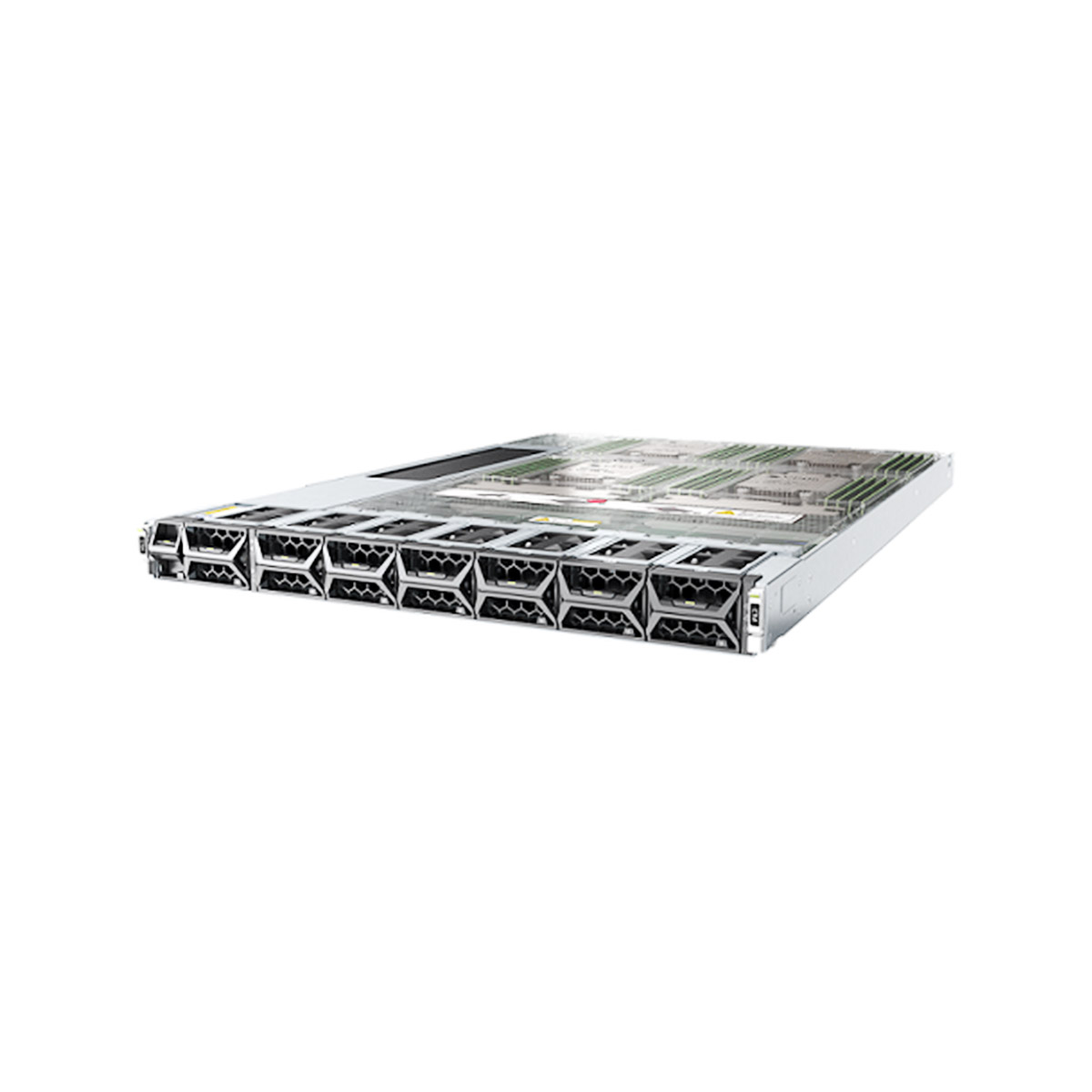
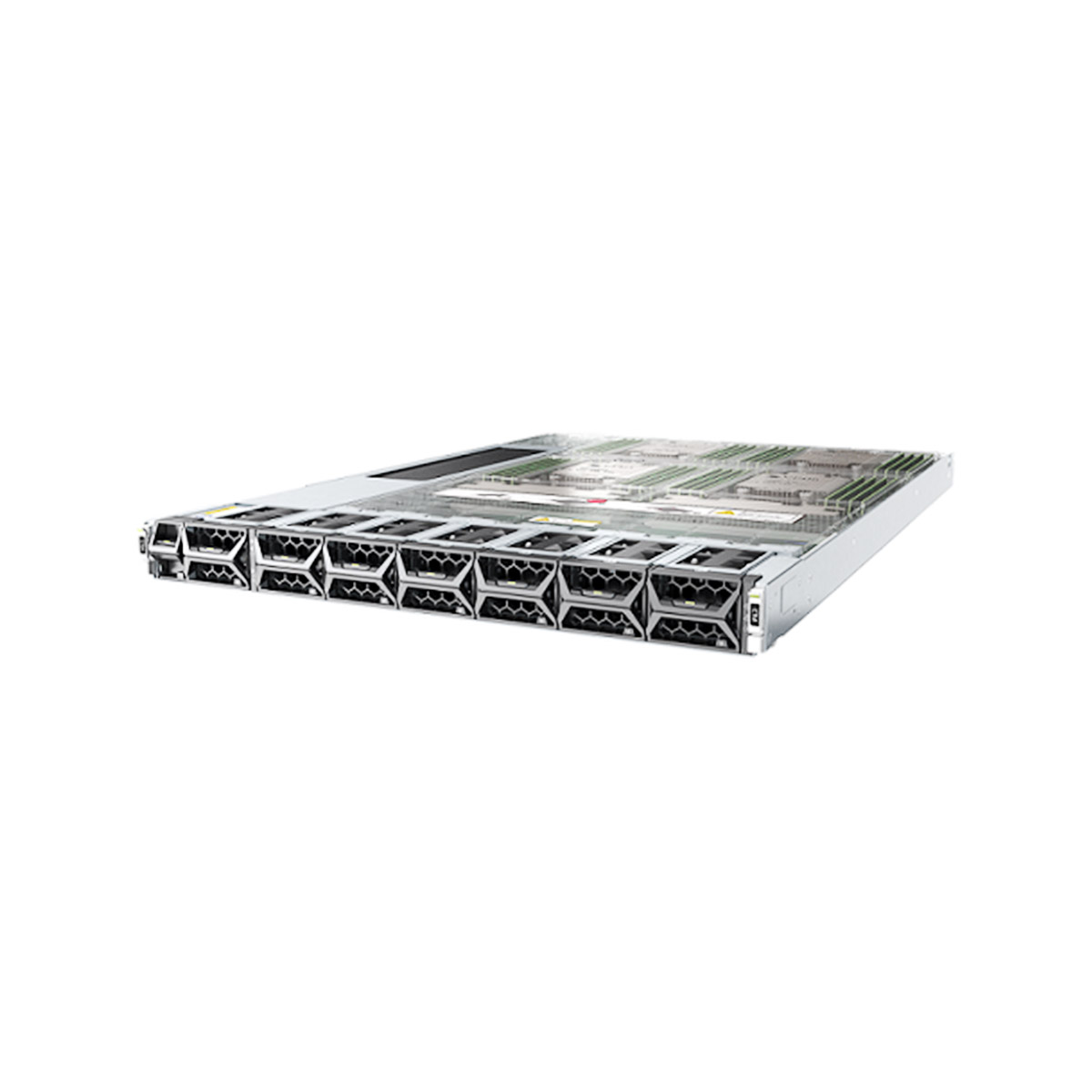
- Auto-Discovery: Plug in a new CloudEngine S6730-H switch, and the software auto-adds it to dashboards, applies policies, and starts baselining.
- Distributed Architecture: Regional servers process data locally, slashing latency. A Dubai hotel chain monitored 1,200+ switches across 3 continents without breaking a sweat.
- Custom APIs: Pull data into Splunk or ServiceNow with pre-built connectors—no coding ninjas required.
Pro Tip: Use **display health-status** in CLI to cross-verify the software’s alerts. Trust, but verify.
The Cost of “Free” Monitoring
Open-source tools like Nagios or Zabbix seem tempting… until you factor in:
- Hidden Labor Costs: 40+ hours/month tweaking plugins and false alerts.
- Compliance Failures: No built-in HIPAA/GDPR audit trails.
- Scalability Walls: Collapses beyond 500 devices.
Huawei switch monitoring software bundles these into a fixed license fee. A Toronto university cut monitoring costs by 60% while boosting coverage—proof that “cheap” isn’t always cheaper.
The Final Call: Monitor or Perish
Network downtime costs $5,600 per minute. Every undetected misconfig, every ignored alert, every unpatched firmware is a grenade with the pin pulled. Huawei switch monitoring software isn’t a luxury—it’s a ceasefire treaty with chaos.
Ready to stop firefighting and start preventing?
- Email monitor@huawei.com for a free threat simulation.
- Live-chat with engineers to benchmark your current tools.
Your switches aren’t just silicon—they’re the synapses of your business. Monitor them with surgical precision, or gamble with outages that could sink you.






Leave a comment