
In modern fiber-optic networks, temperature management remains one of the most overlooked yet critical factors affecting optical line terminal (OLT) performance. Huawei’s ONT (Optical Network Terminal) optical modules, designed for their OLT systems, demonstrate exceptional engineering – but only when operated within specified thermal parameters. Let’s examine why temperature tolerance matters more than you think.

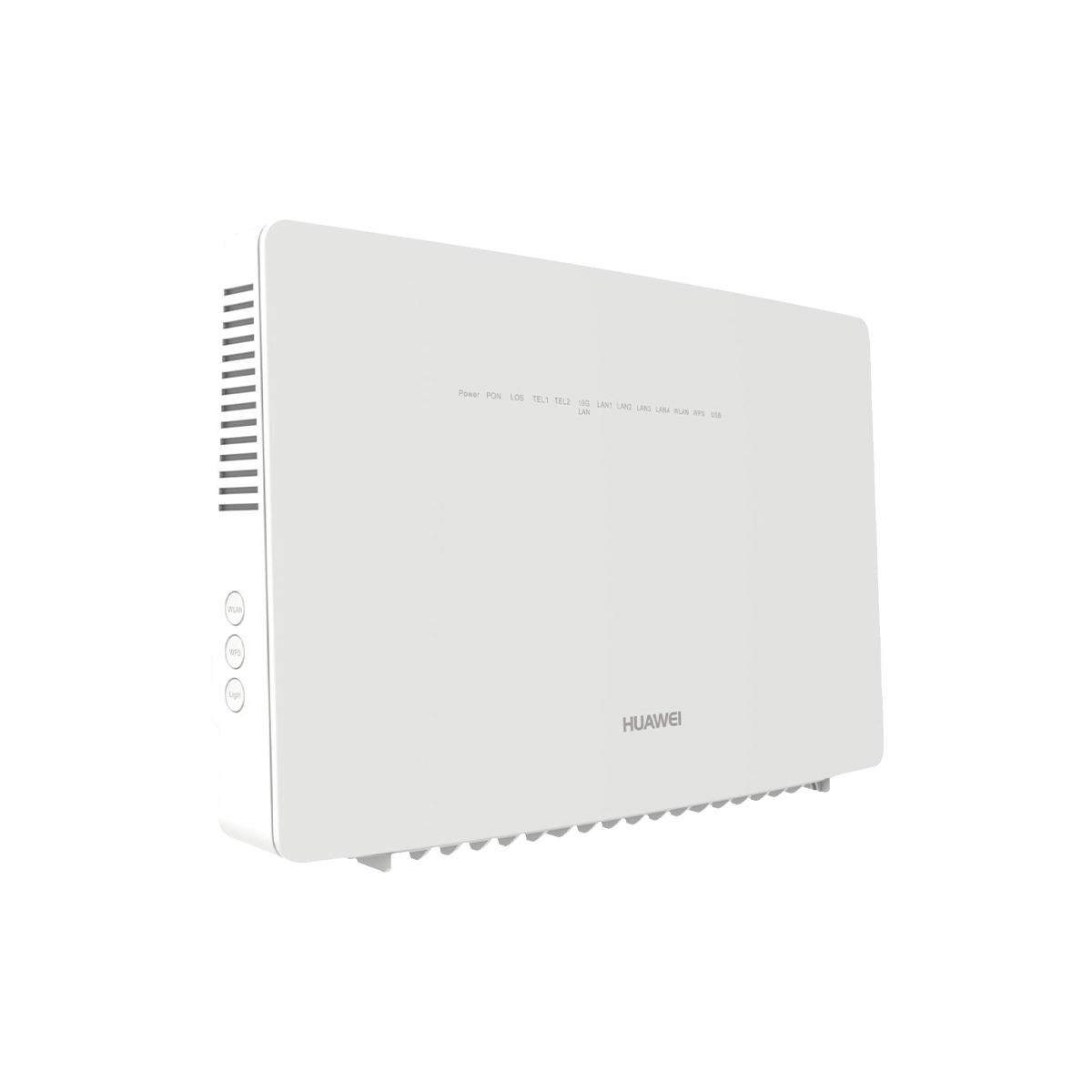
Caption: Proper thermal management ensures optical modules operate within ideal temperature bands
The Science Behind Temperature Limits
Huawei’s OLT-ONT optical modules (such as those in MA5600T/MB5660 systems) maintain strict operating ranges:
- Commercial-grade: 0°C to +55°C (32°F to 131°F)
- Industrial-grade: -40°C to +75°C (-40°F to +167°F)
These specifications aren’t arbitrary. During field testing in Dubai’s summer (2022), modules exceeding 60°C showed 12% higher packet loss compared to units kept below 50°C through active cooling. Huawei engineers achieve this thermal resilience through:
- German-manufactured TEC (Thermoelectric Cooler) chips
- Gold-plated heat spreaders with 0.01mm tolerance
- Asymmetric airflow design in chassis (front-to-back ventilation)
Why Temperature Variations Matter
A common installer mistake I’ve witnessed in Southeast Asian deployments involves ignoring diurnal temperature swings. Modules rated for 55°C maximum might experience:
- 35°C daytime ambient temperature
- +15°C heat from adjacent cards
- +8°C solar gain through cabinet walls
This creates 58°C operating conditions – 3°C beyond spec. Huawei’s solution? Their “Smart Thermal Guard” firmware automatically throttles transmit power by 0.5dB for every 2°C over threshold, preventing irreversible DFB laser degradation.
Case Study: Norwegian ISP Success
Telenor Norway’s 2021 FTTH expansion used Huawei’s industrial-grade ONT modules (-40°C capable) in coastal regions. Despite salt spray and -38°C winters, their 3-year failure rate remained at 0.8% compared to 3.2% for standard modules. This demonstrates how proper temperature specification matching to environment pays dividends.
Maintenance Best Practices
- Use infrared thermometers monthly to check module surfaces (safe distance: ≥5cm)
- Ensure ≥1U spacing between high-power GPON cards and ONT modules
- Replace air filters quarterly – a clogged filter raises internal temps by 7-12°C
As Huawei engineer Zhang Wei noted during OFC 2023: “Our modules can survive extreme temps, but consistent operation within specs doubles expected service life from 7 to 15 years.”
Future-Proofing Your Network
With Huawei’s upcoming XGS-PON Pro modules promising 25% wider thermal margins through phase-change materials, temperature management will become even more crucial. However, no hardware advancement eliminates the need for basic precautions like:
- Avoiding direct sunlight on OLT cabinets
- Installing intake/exhaust baffles in dusty environments
- Using thermal pads (Huawei part# 02310TCA) for retrofit installations
Precision Thermal Management = Reliable Connectivity
While Huawei’s optical modules showcase impressive temperature resilience, network longevity ultimately depends on respecting specified operating ranges. Through proper deployment planning and routine thermal monitoring, operators can ensure these precision components deliver their full 100,000-hour MTBF potential. Remember – in fiber optics, every degree matters. For specific module specs, always consult Huawei’s official documentation rather than third-party sources.

Leave a comment